Industry Special Space 2024

Industry Special: Space

Status of AM for Space Applications

The space industry continues to extensively use metal Additive Manufacturing for propulsion systems, vehicles, and satellite components. In 2023, several global launches, that included critical AM components from companies like UNITED LAUNCH ALLIANCE (with engines from BLUE ORIGIN, AEROJET ROCKETDYNE), ROCKET LAB, SPACEX, DAWN AEROSPACE, ABL SPACE SYSTEMS, were completed. RELATIVITY SPACE showcased various AM processes on their Terran 1 launch in March 2023, including DED tanks and various L-PBF propulsion components, which incorporated the successful flight of L-PBF GRCop-42 (Cu-Cr-Nb) in collaboration with NASA. Another area of growth is the use of AM as a learning tool, with student teams around the world successfully building and testing combustion chambers, turbomachinery, and other rocket hardware components.
About the author

New L-PBF machines, offering higher complexity and larger build volumes, are entering the market, focusing on aerospace components. While L-PBF remains the dominant process in space, other processes, such as Directed Energy Deposition (DED), are gaining traction, particularly for forging, casting replacements, and near-final shape components. Directed Energy Deposition (DED) is experiencing growth in applications for forging and casting replacements, as well as near-final shape components. America Makes initiated the Generation of Additive Material Allowables for Titanium (GAMAT) project to establish Ti6Al4V design allowables for laser powder DED. Additionally, cold spray, additive friction stir deposition, and ultrasonic AM are increasingly being incorporated into various component applications.
Amid the use of common aerospace materials like Inconel 718, Ti64Al4V, Inconel 625, and Haynes 282, there is a notable increase in alloy development and maturation. Copper alloys like GRCop-42 and C-18150 have matured, with various powder companies worldwide providing these materials. Multi-principle element alloys, exemplified by NASA’s GRX-810 oxide dispersion strengthened (ODS) alloy, exhibit improved high-temperature properties. The market for C-103 (Niobium-based) is expanding, finding applications in thrusters, control surfaces, and extreme temperature environments. Additionally, new aluminum materials for space applications like Scalmalloy, 6061-RAM2, 7050-RAM2, and 2024-RAM2 are under continued development with both L-PBF and LP-DED processes.

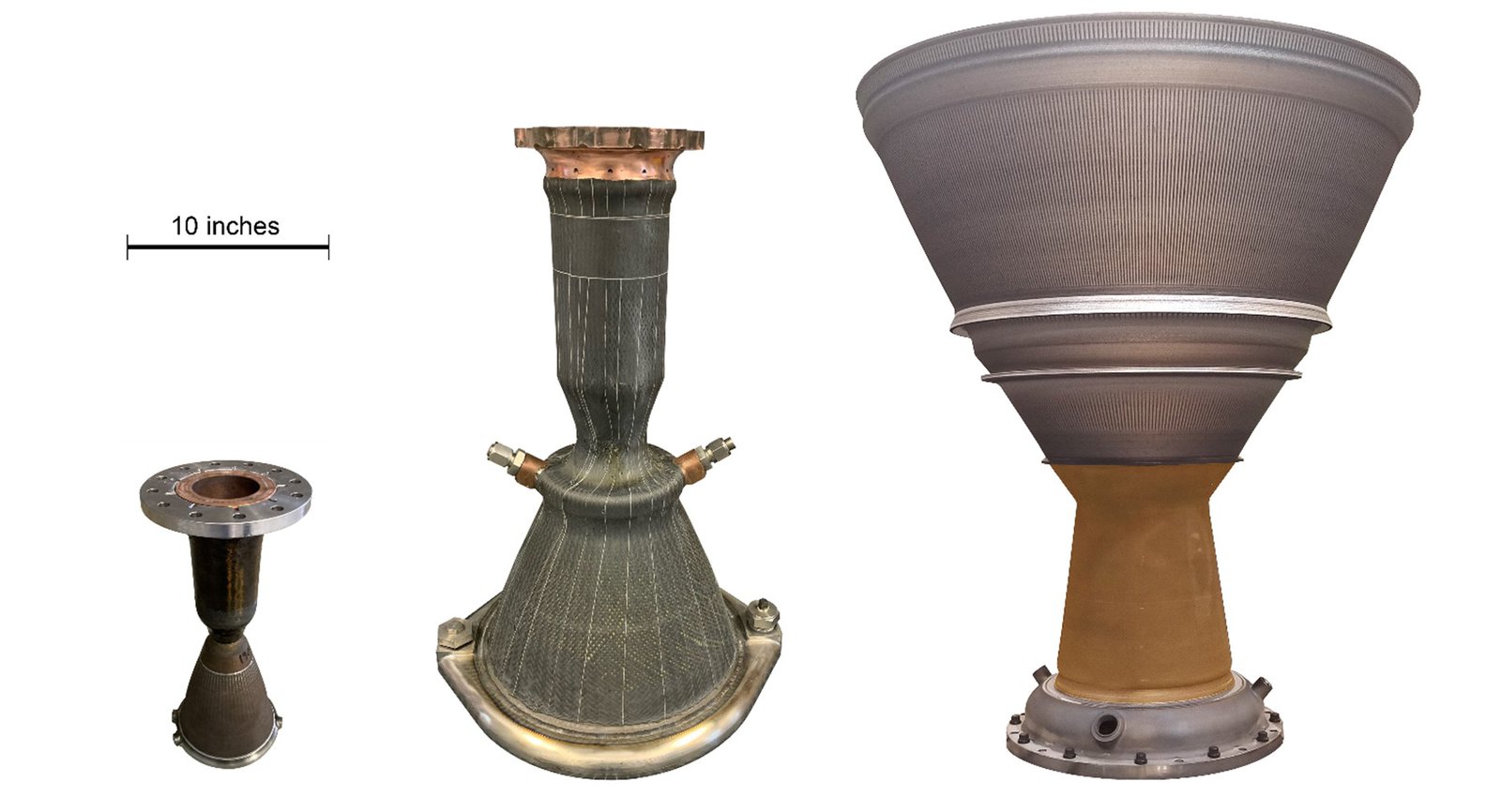
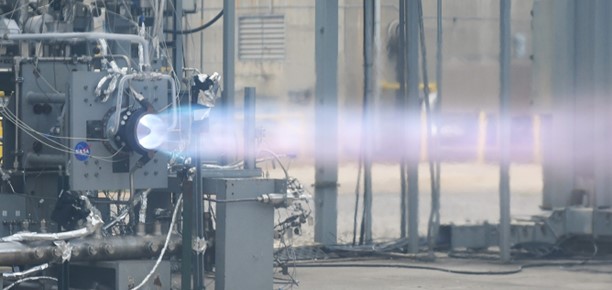
Advancements in AM space applications include the development and testing of bimetallic and multi-metallic AM. NASA’s Rapid Analysis and Manufacturing Propulsion Technology (RAMPT) project successfully tested a one-piece multi-metallic combustion chamber and nozzle, integrating L-PBF GRCop-42 and an LP-DED nozzle with the NASA HR-1 alloy. Industry developments by machine manufacturers and suppliers like 3D SYSTEMS, AEROSINT, RPM INNOVATIONS, DM3D, and SLM SOLUTIONS demonstrate the development of integrated AM bimetallic components.
Standardization remains a crucial topic in space AM, with qualification for critical launch vehicle and in-space parts varying across organizations. NASA’s release of the NASA 6030 specification provides guidelines for its projects, but industry-wide standardization is lacking. The pace of qualification processes lags behind the rapid progress in design, manufacturing, and testing with AM. Collaborative efforts are needed to address the critical and process-sensitive nature of AM parts. Initiatives like statistical process controls, model-based qualification, inspection technologies, in-process monitoring, and integrated process control are advancing to aid in space AM certification. Material properties are maturing, with NASA and industry starting to develop a material database for over 50 metal alloys and processes. This includes heat treatment optimization, detailed metallographic characterization, and mechanical tensile and fatigue testing at various temperatures, to be included in a public data handbook.
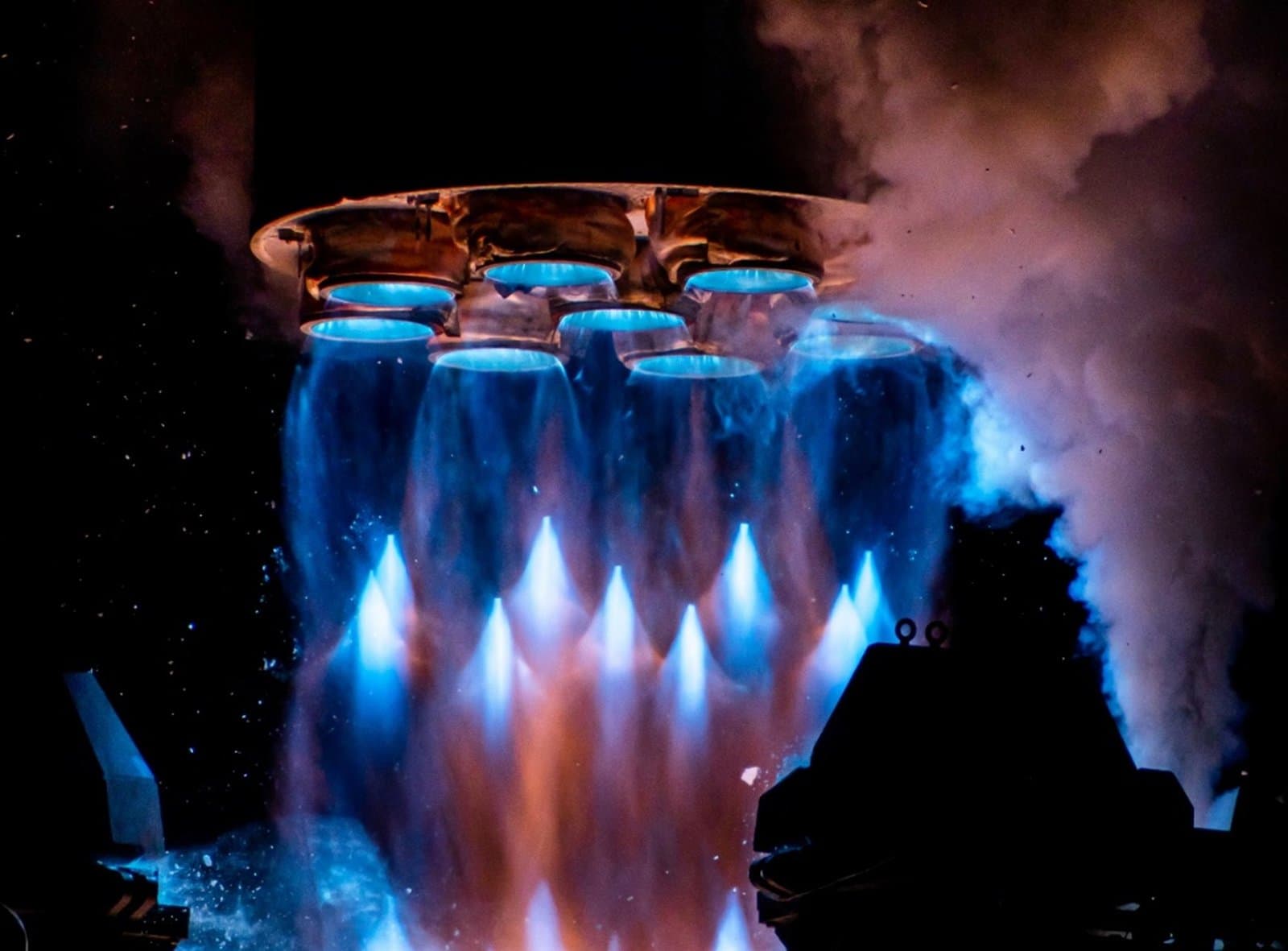
AM advancements contribute to the maturation of new propulsion concepts for space, such as the Rotating Detonation Rocket Engine (RDRE) and nuclear thermal propulsion, enabled by the complexity of AM and specialty NASA alloys like GRCop-42, GRX-810, and NASA HR-1.
In-space fabrication using AM is progressing, with developments like ECOATOMS evaluating biosensors on BLUE ORIGIN’s New Shepard suborbital rocket and LAMBDAVISION’s successful flights to the International Space Station National Lab, demonstrating their layer-by-layer approach for manufacturing a protein-based artificial retina. NASA’s In-Space Manufacturing project is working on new AM technologies for producing microelectronics, semiconductors, and critical parts on other planets, focusing on in-situ resource utilization (ISRU).

Data and sources

Published: 19 March 2024

Source: AMPOWER / authors as described

Did we miss something?