Additive Manufacturing Applications

Additive Manufacturing application database

Which Additive Manufacturing applications are successful?

Browse through sample applications for a wide range of Additive Manufacturing technologies, materials and industries. See real use cases with industrial relevance that already entered production. Understand the background of Additive Manufacturing applications that generate added value for the user.

Additive Manufacturing Implant

Application Catalogue

Browse through over 80 Additive Manufacturing applications

Browse through real industrial Additive Manufacturing applications for a wide range of technologies, materials and industries. View real use cases with industrial relevance that already entered production.

Early adopters

Additive Manufacturing applications of early adopters

The early adopters of Additive Manufacturing for end-use parts mainly belong to the medical, aviation, turbine as well as oil & gas industry. In medical applications metal Additive Manufacturing was first used for fabrication of endoprostheses and dental restorations.

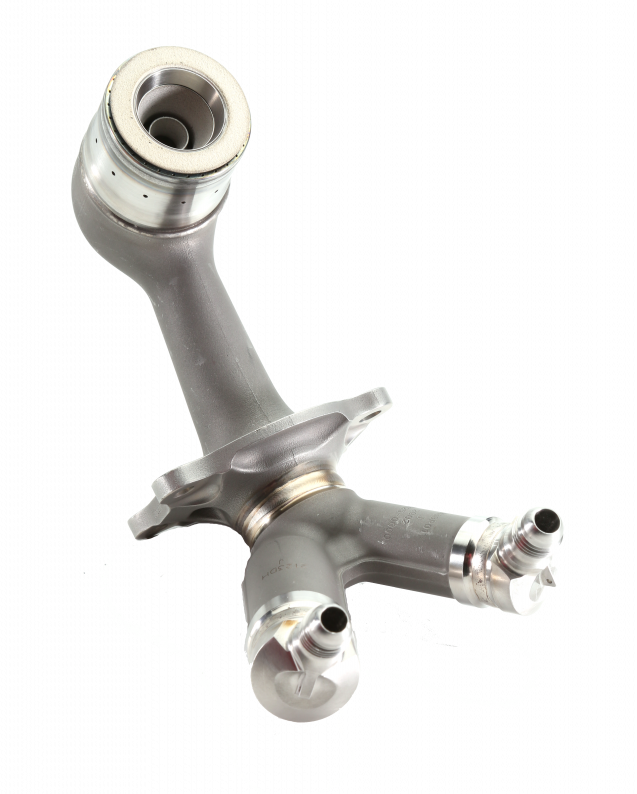
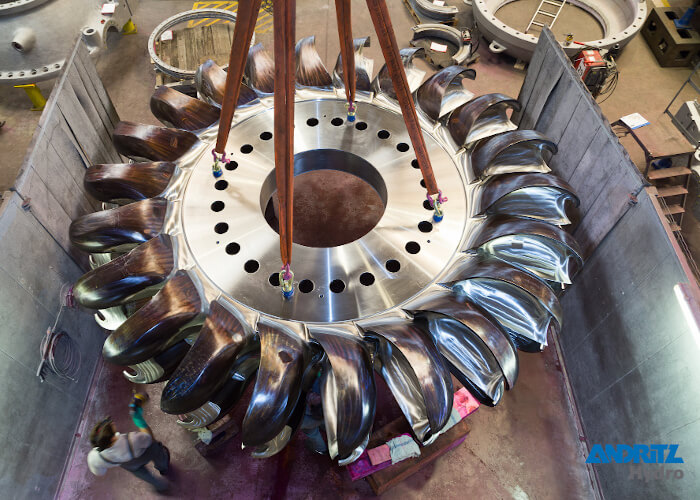
The aviation industry fabricates hinges, brackets and interior components. They target parts of the fuselage with a weight optimized design for better fuel efficiency. Another application group are engine components such as turbine blades or fuel nozzles. In the oil & gas industry, metal Additive Manufacturing enables simplified manufacturing of pumps, turbomachinery or valves.

The Additive Manufacturing technology represents an added value for all the applications mentioned above. This is due to several characteristics that these industries have in common. In all applications, only small lot sizes are required while the fabricated parts are high value components. Also, mostly high-end materials are used such as titanium or nickel-based alloys.

The direct transfer of raw materials into complex 3D geometries without the need for creating a tool allows significant time and cost savings. Furthermore, due to the freedom of design AM offers, geometries can be produced that were so far only feasible with high effort. Examples are cooling channels close to the surface of molds, porous structures for bone ongrowth, lightweight bionic structures with complex freeform surfaces.

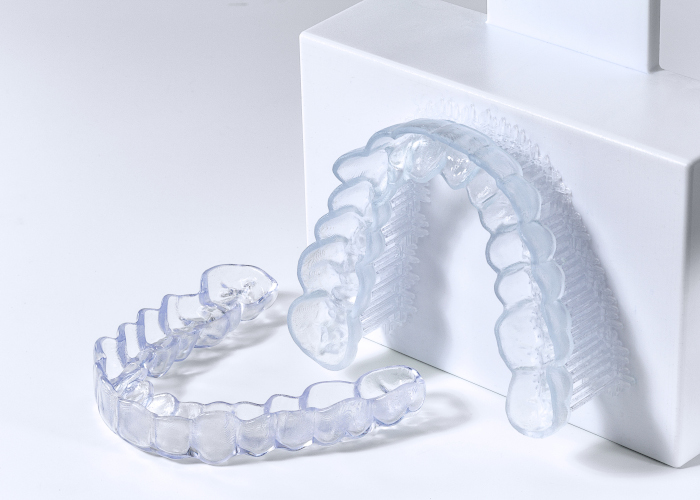
In the dental industry the application of Additive Manufacturing is of great benefit resulting in a completely digital process chain and significant cost savings. This success story is hidden and not well-known beyond the dental industry. Digital data generated indirectly from dental imprints or directly from the mouth situation of a patient allows design of patient-specific devices such as dental copings. These small, thin-walled parts are cost-efficiently 3D printed using CoCr alloys.

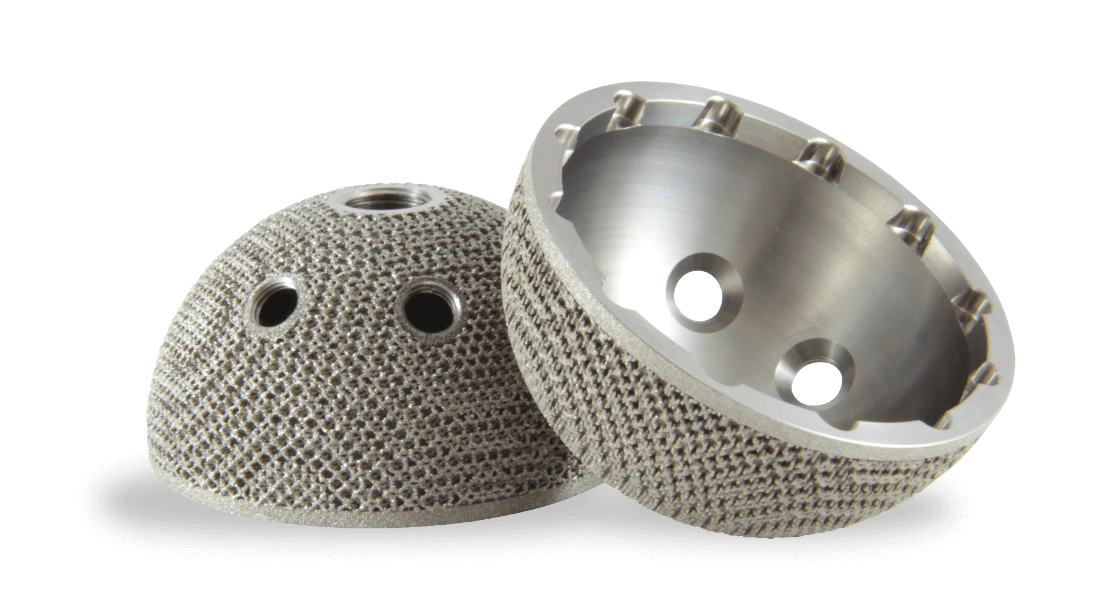
Image courtesy of GE Aviation

Fields of applications

The four categories of Additive Manufacturing applications

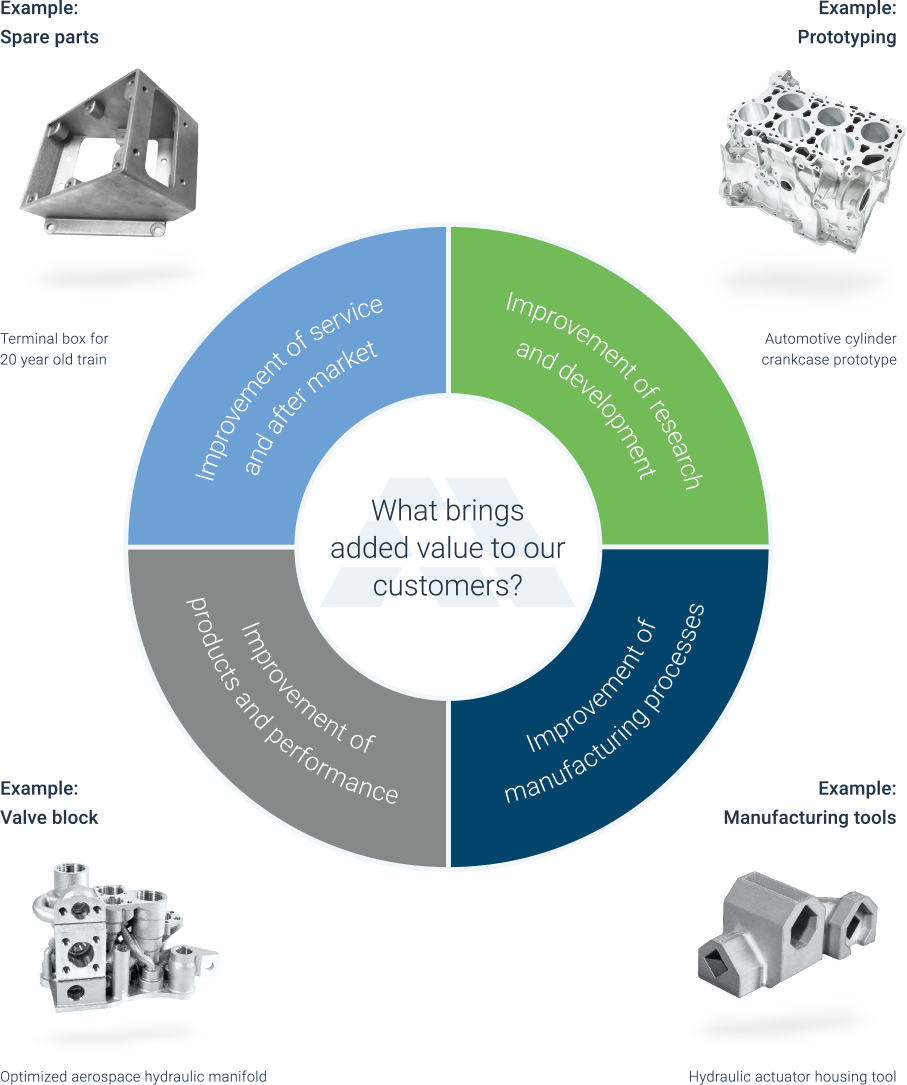
In general, Additive Manufacturing applications can be distinguished in four categories. The first category is the field of spare part supply in order to improve service and aftermarket. Companies are often committed to ensure spare part supply decades after end of production. This can be challenging since normally multiple spare part variants exist. Permanent storage of all variants as well as their tools leads to high storage cost. Manufacturing of spare parts on demand conventionally may cause long delivery times. By application of Additive Manufacturing, enterprises can ensure the availability of spare parts at reduced lead times and costs and gain a competitive advantage.

Prototyping, as the original Additive Manufacturing application, represents the second field of application. The fast production of prototypes is still playing an important role in the field of research and development. Prototypes can be used for functional testing or any kind of mock-ups.

The tooling industry is a third business case for Additive Manufacturing applications. It benefits from reduced lead time of tooling production and enables quick iterations of existing tool designs. Thus, it allows tooling design cycles to keep pace with product design cycles. Moreover, Additive Manufacturing offers nearly unlimited options to improve tool designs. Tools that are composed of sub-components can be manufactured in one part, hence minimizing the effort of assembling the tool. Apart from this, the possibility to include complex features supports a faster production of highly functional end parts.

Within the fourth field of Additive Manufacturing applications – improvement of end parts – the performance of products is enhanced. This may be with regard to weight, specific mechanical properties or by integration of new functionalities. For example, flow-optimized and light-weight valve blocks reduce the pressure drop, which in return may lead to use of a smaller pump and save system cost. Similarly, AM cooling plates increase heat dissipation and may yield secondary system cost saving effects.

Success factors for applications

Added value and commercial feasibility lead to successful applications

  • Added Value

    A major success factor for Additive Manufacturing applications is the added value, which in many cases is created by solving pain points. An example are internal cooling channels for mold inserts. With traditional cooling channel design a uniform temperature across the mold is challenging. Additive Manufacturing enables the design and fabrication of conformal cooling tools and improved temperature control. This enhancement even justifies higher cost for the mold, because the cycle time for the molding process can be significantly reduced and part quality increased.

  • Cost and commercial feasibility

    Cost reduction is a critical success factor. While sometimes the initial manufacturing cost may be higher, the total cost of ownership is reduced by Additive Manufacturing in many known applications.  Reduction of assembly cost or fuel efficiency are typical examples.  Due to the fast development of metal AM technologies further decreasing in manufacturing costs will further strengthen the cost competitiveness of AM.

  • Barrier of change

    Additive Manufacturing applications that are technically and commercially feasible may fail due to company or industry related barriers. Examples are established traditional supply chains or a low customer readiness. Also, internal barriers in quality management, sales or product development can hinder a successful adoption.

  • Technical feasibility and the right technology

    Over 18 different metal Additive Manufacturing technologies are currently known. The choice of the right technology for an application and the proof of technical feasibility are the most critical success factors.

  • Know-how and commitment

    Successful Additive Manufacturing applications are based on profound technology knowledge and years of experience in this field. Management commitment for a long-term approach is as important as the commitment of the technical staff to continuously increase their knowledge in this field.

Summary of successful applications

What do successful metal Additive Manufacturing applications have in common?

Early movers of successful Additive Manufacturing applications have in common, that they originate from high end and high value component manufacturing. Typical examples are the medical, aviation, turbine, space as well as oil & gas industry. A little later, the machine industry became aware of the potential for metal Additive Manufacturing, too. Especially the tooling industry and special machinery in high-end segments are promoting the development of metal Additive Manufacturing applications.

With the development of more cost-efficient technologies such as Binder Jetting or Metal FDM we expect the field of metal Additive Manufacturing applications to rapidly increase in the automotive and consumer industry. Applications will be driven less by high-end performance but rather by the advantages of a short lead time, low changeover cost and high freedom of design at a large variety of geometries.

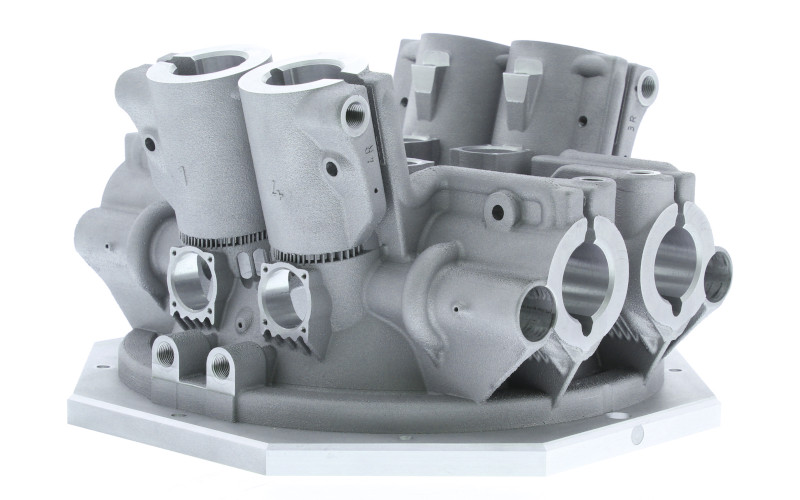
Image courtesy of Renishaw

Data and sources

Last data update: 15 March 2025

Source: AMPOWER

Did we miss something?

Related topics

Table of Contents 2025

Read the AMPOWER Report Table of Content to get an overview of all chapters, figures and graphs of the AMPOWER Report.

Investor’s view 2025

Additive Manufacturing startups have enjoyed extensive and increasing funding over the last decade.

Innovations in AM software 2025

Additive Manufacturing experiences massive growth and is considered to be one of the key technologies on the path of digitalization and industry 4.0. The ability of manufacturing parts directly from a CAD file enables mass-customization and on-demand production. Software is the key in design generation and processing of production data.

Region AMER 2025

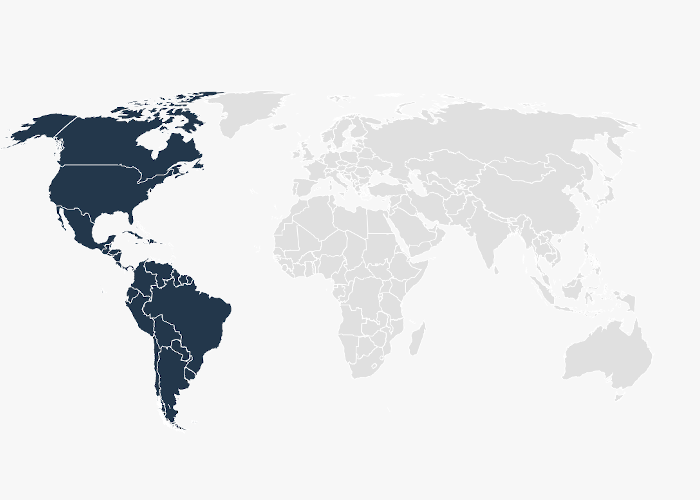
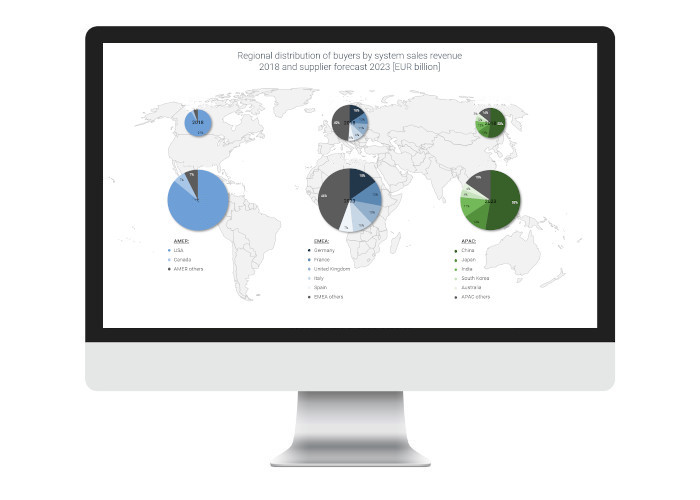
The AMER region generally covers the USA, Canada and the south american countries including Mexico, Brazil and Argentina. Historically, the USA was the more active region in the polymer Additive Manufacturing field compared with Europe. Lateley, new emerging sinter-based metal Additive Manufacturing technologies predominentaly come from US based companies.

Region APAC 2025

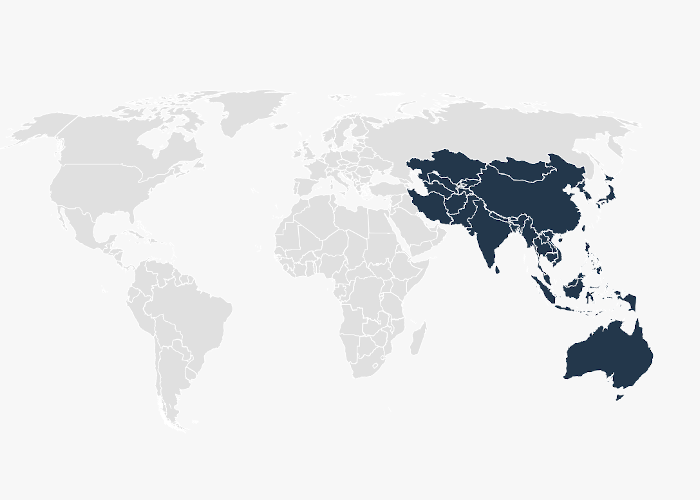
The APAC region generally covers Australia, the far east asian countries such as Japan and China as well as India. While Japan entered the Additive Manufacturing market much later than others, China is currently one of the largest players in the gloal industry. This report section covers regional reports of contributing local authors, who each are experts in the characteristicy of the regional Additive Manufacturing landscape.
3d printing market by region

Region EMEA 2025

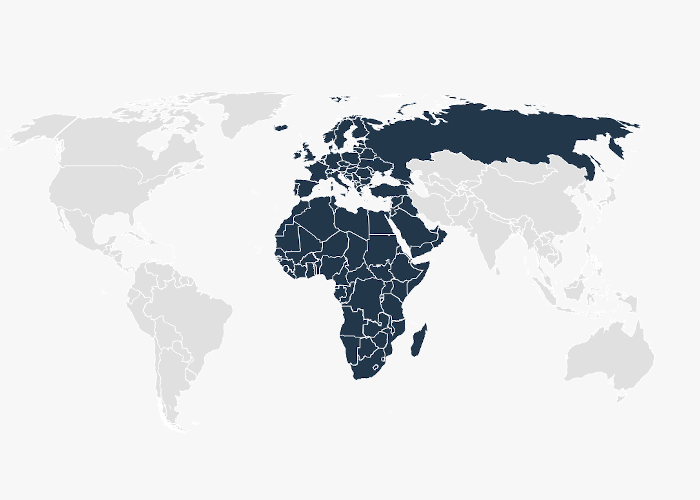
The EMEA region generally covers Europe, Russia, the african continent and the middle East. Europe is one of the birth regions of Additive Manufacturing while in the middle east, Israel is a hotspot for startups in new technologies. This report section covers regional reports of contributing local authors, who each are experts in the characteristicy of the regional Additive Manufacturing landscape.

Polymer AM market by region 2025

The market analysis segmented by regions will provide insights into the current state and outlook of the polymer Additive Manufacturing market for the different areas of the world. The regions of interest are mostly categorized into the groups of the Americas (AMER), the Asia Pacific region (APAC) consisting of East Asia, South Asia, Southeast Asia, and Oceania as well as the group of Europe, the Middle East and Africa (EMEA).

Metal AM market size 2025

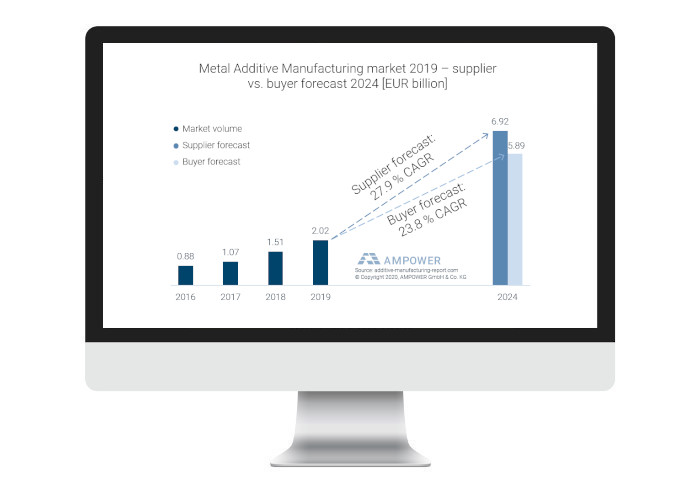
Additive Manufacturing is experiencing massive growth and is considered to be one of the key technologies on the path of digitalization and industry 4.0. The ability of manufacturing parts directly from a CAD file is creating high expectations in the market. Nevertheless, the metal Additive Manufacturing market size is still a niche compared to other manufacturing technologies.
Courtesy of DMG Dental

Polymer AM industrialization 2025

Over 17 different polymer AM technologies are currently known and all at different stages of technological and industrial maturity. This section evaluates important characteristics describing the state of the industrial use of polymer AM today and in the future. While the dental industry has already implemented mass customized products, the consumer goods industry is also picking up the advantages of Additive Manufacturing.

Metal AM market by material 2025

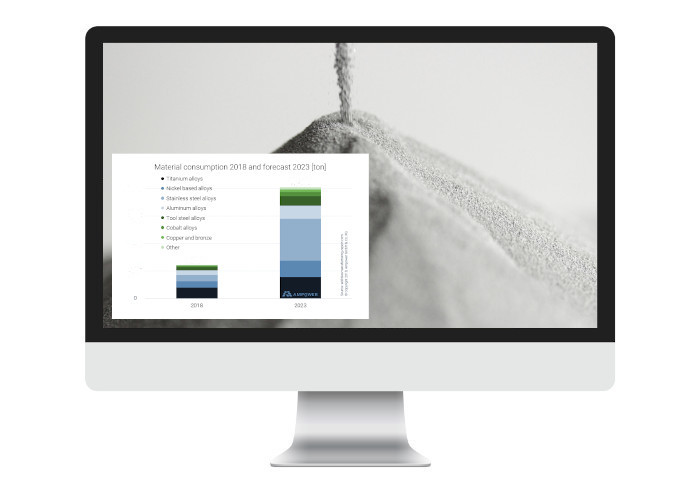
The metal Additive Manufacturing material market is expected to significantly increase feedstock use in the next five years. Regardless the high growth, the feedstock accounts for only a very small fraction of the worldwide metal material market. Most of the alloy consumption in AM is driven by high end applications such as aerospace or medical. Thus, high strength and high temperature alloys are taking large shares.

Polymer AM market by technology 2025

Currently 17 different polymer Additive Manufacturing technologies are commercially available. Many of them are in an early market penetration stage and look for fast growth to increase their market share. Filament Based Material Extrusion continuous to lead the way in polymer Additive Manufacturing.

Metal AM market by region 2025

Metal Additive Manufacturing is used all over the world. The regions of interest in the AMPOWER Report are segmented into the groups of the Americas (AMER), the Asia Pacific region (APAC) consisting of East Asia, South Asia, Southeast Asia, and Oceania as well as the group of Europe, the Middle East and Africa (EMEA).

Metal AM market by region 2025

Metal Additive Manufacturing is used all over the world. The regions of interest in the AMPOWER Report are segmented into the groups of the Americas (AMER), the Asia Pacific region (APAC) consisting of East Asia, South Asia, Southeast Asia, and Oceania as well as the group of Europe, the Middle East and Africa (EMEA).

Polymer AM market by material 2025

The polymer Additive Manufacturing material market is expected to double signifiantly grow over the coming years. Most of the material consumption is driven by mass customized products and serial production. Over the next years, it is expected that the material market will adapt more and more to the properties required by the applications.

Polymer AM market by industry 2025

Various industries have successfully adopted polymer Additive Manufacturing. Consumer Goods and Automotive are using the freedom of AM to increase the comfort of their products by designing lattice structures.

Polymer AM market size 2025

The Polymer Additive Manufacturing market has been experiencing robust growth, with a CAGR in double digit range in recent years, bringing the combined revenue of part manufacturing, system, and material sales to record highs.

Metal technology developments 2025

The number of different metal AM technologies has increased continuously over the last years. As of now, more than 20 different working principles are known with 210 OEMs supplying machines. The large variety of working principles can be roughly grouped into powder bed fusion, material deposition and sinter-based metal AM technologies.

Metal AM market by industry 2025

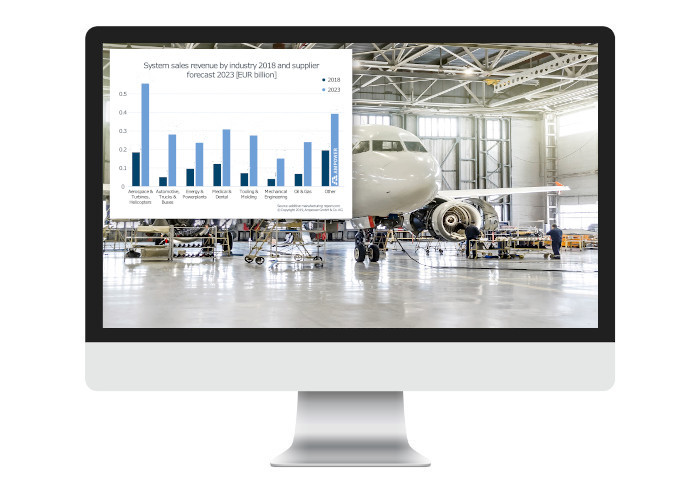
Many different industries have successfully adopted metal Additive Manufacturing. Medical and dental can be regarded as pioneering industry with serial productions starting in the early 2000s. Other industries, especially aerospace continue to play a strong part in metal Additive Manufacturing.

Metal AM market by technology 2025

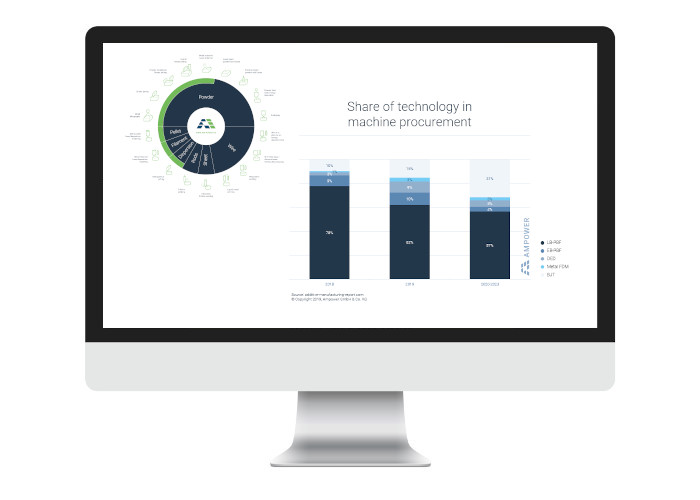
The metal Additive Manufacturing technology market will face large shifts in distribution and usage of AM principles due to new and upcoming technologies entering the market. Today, the large majority of machines sold and used are Laser Beam Powder Bed Fusion systems. However, technologies such as Binder Jetting or Wire Arc Deposition will significantly increase their market share over the next 5 years.

Polymer technology developments 2025

The technology developments of polymer Additive Manufacturing are rapidly progressing and enable more industries to adopt technologies for series production. Read the summary on current developments and trends.
Additive Manufacturing Industrialization

Metal AM industrialization 2025

Over 20 different metal AM technologies are currently known, which are in highly different stages of maturity. Processes like Powder Bed Fusion or Powder Laser Deposition are well-established in multiple industries and used in qualified productions of serial parts. Other AM technologies have just been introduced into the market or are still in a phase of development.

Table of Contents 2025

Read the AMPOWER Report Table of Content to get an overview of all chapters, figures and graphs of the AMPOWER Report.

Investor’s view 2025

Additive Manufacturing startups have enjoyed extensive and increasing funding over the last decade.

Innovations in AM software 2025

Additive Manufacturing experiences massive growth and is considered to be one of the key technologies on the path of digitalization and industry 4.0. The ability of manufacturing parts directly from a CAD file enables mass-customization and on-demand production. Software is the key in design generation and processing of production data.

Region AMER 2025

The AMER region generally covers the USA, Canada and the south american countries including Mexico, Brazil and Argentina. Historically, the USA was the more active region in the polymer Additive Manufacturing field compared with Europe. Lateley, new emerging sinter-based metal Additive Manufacturing technologies predominentaly come from US based companies.

Region APAC 2025

The APAC region generally covers Australia, the far east asian countries such as Japan and China as well as India. While Japan entered the Additive Manufacturing market much later than others, China is currently one of the largest players in the gloal industry. This report section covers regional reports of contributing local authors, who each are experts in the characteristicy of the regional Additive Manufacturing landscape.
3d printing market by region

Region EMEA 2025

The EMEA region generally covers Europe, Russia, the african continent and the middle East. Europe is one of the birth regions of Additive Manufacturing while in the middle east, Israel is a hotspot for startups in new technologies. This report section covers regional reports of contributing local authors, who each are experts in the characteristicy of the regional Additive Manufacturing landscape.

Polymer AM market by region 2025

The market analysis segmented by regions will provide insights into the current state and outlook of the polymer Additive Manufacturing market for the different areas of the world. The regions of interest are mostly categorized into the groups of the Americas (AMER), the Asia Pacific region (APAC) consisting of East Asia, South Asia, Southeast Asia, and Oceania as well as the group of Europe, the Middle East and Africa (EMEA).

Metal AM market size 2025

Additive Manufacturing is experiencing massive growth and is considered to be one of the key technologies on the path of digitalization and industry 4.0. The ability of manufacturing parts directly from a CAD file is creating high expectations in the market. Nevertheless, the metal Additive Manufacturing market size is still a niche compared to other manufacturing technologies.
Courtesy of DMG Dental

Polymer AM industrialization 2025

Over 17 different polymer AM technologies are currently known and all at different stages of technological and industrial maturity. This section evaluates important characteristics describing the state of the industrial use of polymer AM today and in the future. While the dental industry has already implemented mass customized products, the consumer goods industry is also picking up the advantages of Additive Manufacturing.

Metal AM market by material 2025

The metal Additive Manufacturing material market is expected to significantly increase feedstock use in the next five years. Regardless the high growth, the feedstock accounts for only a very small fraction of the worldwide metal material market. Most of the alloy consumption in AM is driven by high end applications such as aerospace or medical. Thus, high strength and high temperature alloys are taking large shares.

Polymer AM market by technology 2025

Currently 17 different polymer Additive Manufacturing technologies are commercially available. Many of them are in an early market penetration stage and look for fast growth to increase their market share. Filament Based Material Extrusion continuous to lead the way in polymer Additive Manufacturing.

Metal AM market by region 2025

Metal Additive Manufacturing is used all over the world. The regions of interest in the AMPOWER Report are segmented into the groups of the Americas (AMER), the Asia Pacific region (APAC) consisting of East Asia, South Asia, Southeast Asia, and Oceania as well as the group of Europe, the Middle East and Africa (EMEA).

Metal AM market by region 2025

Metal Additive Manufacturing is used all over the world. The regions of interest in the AMPOWER Report are segmented into the groups of the Americas (AMER), the Asia Pacific region (APAC) consisting of East Asia, South Asia, Southeast Asia, and Oceania as well as the group of Europe, the Middle East and Africa (EMEA).

Polymer AM market by material 2025

The polymer Additive Manufacturing material market is expected to double signifiantly grow over the coming years. Most of the material consumption is driven by mass customized products and serial production. Over the next years, it is expected that the material market will adapt more and more to the properties required by the applications.

Polymer AM market by industry 2025

Various industries have successfully adopted polymer Additive Manufacturing. Consumer Goods and Automotive are using the freedom of AM to increase the comfort of their products by designing lattice structures.

Polymer AM market size 2025

The Polymer Additive Manufacturing market has been experiencing robust growth, with a CAGR in double digit range in recent years, bringing the combined revenue of part manufacturing, system, and material sales to record highs.

Metal technology developments 2025

The number of different metal AM technologies has increased continuously over the last years. As of now, more than 20 different working principles are known with 210 OEMs supplying machines. The large variety of working principles can be roughly grouped into powder bed fusion, material deposition and sinter-based metal AM technologies.

Metal AM market by industry 2025

Many different industries have successfully adopted metal Additive Manufacturing. Medical and dental can be regarded as pioneering industry with serial productions starting in the early 2000s. Other industries, especially aerospace continue to play a strong part in metal Additive Manufacturing.

Metal AM market by technology 2025

The metal Additive Manufacturing technology market will face large shifts in distribution and usage of AM principles due to new and upcoming technologies entering the market. Today, the large majority of machines sold and used are Laser Beam Powder Bed Fusion systems. However, technologies such as Binder Jetting or Wire Arc Deposition will significantly increase their market share over the next 5 years.

Polymer technology developments 2025

The technology developments of polymer Additive Manufacturing are rapidly progressing and enable more industries to adopt technologies for series production. Read the summary on current developments and trends.
Additive Manufacturing Industrialization

Metal AM industrialization 2025

Over 20 different metal AM technologies are currently known, which are in highly different stages of maturity. Processes like Powder Bed Fusion or Powder Laser Deposition are well-established in multiple industries and used in qualified productions of serial parts. Other AM technologies have just been introduced into the market or are still in a phase of development.